
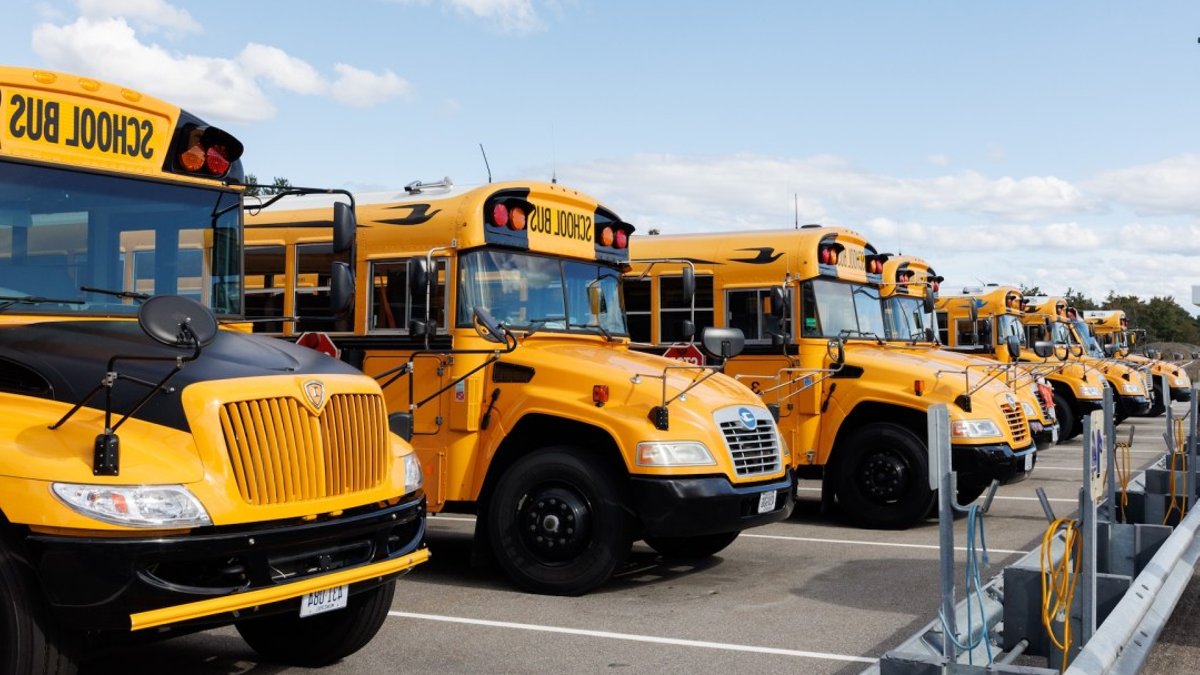
School districts across the nation are grappling with record-high diesel prices that have doubled fuel costs in some areas, threatening extracurricular activities and forcing changes to bus routes. The financial strain has pushed many districts to reconsider field trips, sports events, and other programs that rely on transportation funding, according to a recent survey conducted by the School Superintendents Association, the Association of School Business Officials International, and the National Association for Pupil Transportation.
Survey Findings on Diesel Costs
The survey of 188 school districts revealed significant budget overruns for diesel fuel in the 2025-26 school year. Twenty-two percent of respondents reported actual costs running 11-20% over budget, while 20% noted a 6-10% increase and 14% experienced costs more than 20% above projections. Fuel expenses extend beyond buses to include landscaping equipment, generators, and other machinery essential for maintaining school operations and supporting events.
Aaron Butler, transportation director for the Mishicot School District in Wisconsin, explained the immediate impact: “
The historic fuel prices in general have created some serious budgetary hurdles for the district to address and resolve. I just filled the cans for lawnmowers this morning, and it was $115, and that takes us one week, so that adds up in a hurry too.
” His district faces an additional $1,000 weekly expenditure, totaling $4,000 more per month than initially budgeted.
Read Also: UCLA study predicts Kia thefts lasting fifteen years
District Responses to Rising Fuel Prices
To manage the increased costs, 63% of them report absorbing expenses within their transportation budgets. Thirty-two percent transfer funds from other programs, while 19% tap into district reserves. Some 15% indicate they have not yet covered the shortfall.
Operational adjustments include consolidating bus routes to improve efficiency (40% of respondents), implementing anti-idling policies (27%), and reducing the number of routes (25%). Limited non-required trips such as field trips have also become common, with 20% of them adopting this measure.
Changes in fuel purchasing practices affect 14% of districts, while 8% have increased the walk-to-stop ratio, potentially requiring students to travel longer distances on foot. A smaller percentage have moved away from yellow buses to non-diesel vehicles (7%) or negotiated new vendor contracts (6%). The financial pressures risk eliminating traditional school experiences.


