
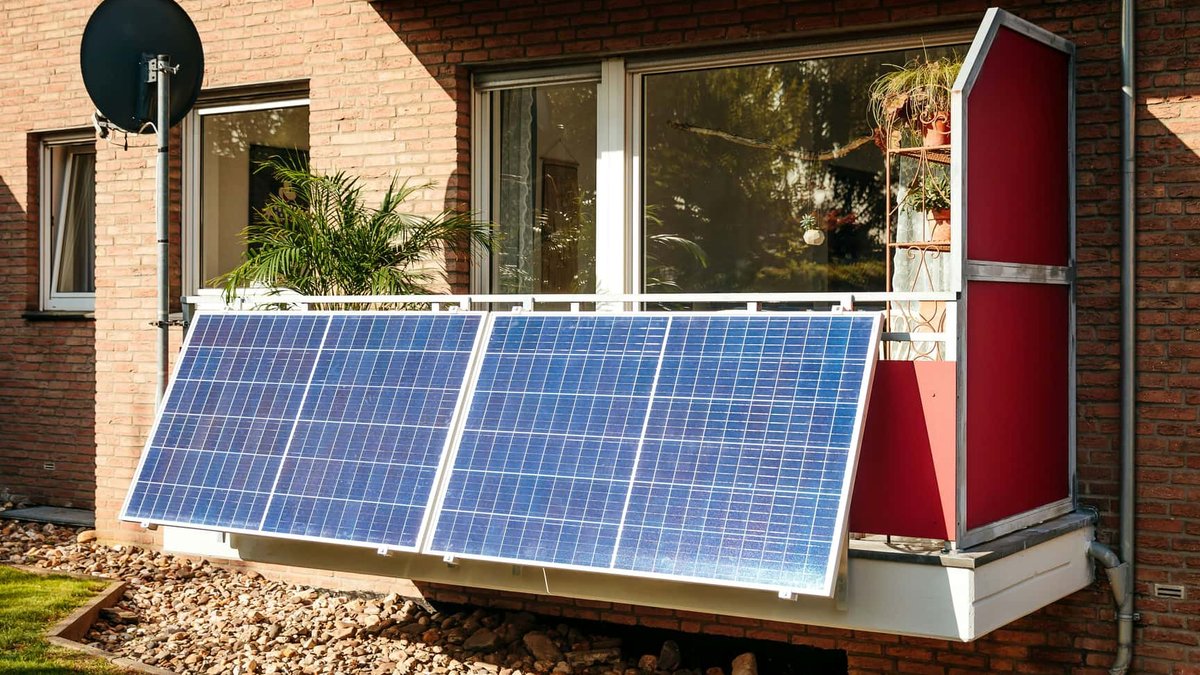
New Jersey has cleared the way for residents to install balcony solar panels without handling a maze of permits and fees. Governor Mikie Sherrill signed legislation this week that bars municipalities and landlords from blocking portable solar systems, giving apartment dwellers and renters a new way to cut their energy bills.
What the law allows
Starting six months from now, New Jersey residents can install solar systems up to 1,200 watts without paying extra fees or seeking multiple approvals. The bill removes local licensing requirements that had made balcony solar practically impossible in many communities. Landlords, homeowners associations, and housing cooperatives must be notified at least 14 days before installation, and property owners can still restrict where panels are placed and how big they are.
The state Senate and Assembly approved the legislation unanimously in late June. Officials said the move targets rising electricity prices that have been climbing across New Jersey for years.
How plug-in solar works
These systems connect to a microinverter or a larger unit that includes battery storage. The inverter plugs directly into a standard household outlet, and a safety feature prevents power from flowing back to the grid during outages. That detail matters for the linemen working to restore service during storms.
Related: Range Rover Electric SUV Performs Exceptionally Off-Road
Germany has more than one million balcony solar systems online, showing the concept works at scale. At the 1.2 kW limit allowed under the new law, New Jersey residents can run two or three panels through a compliant inverter, keeping upfront costs manageable for people who do not own their homes.
Governor Sherrill called balcony solar a practical option at a bill signing ceremony in Trenton. “It’s accessible, affordable, safe, and sustainable,” she said. “These units cost a fraction as much as rooftop solar, but they can still shave up to $50 off the typical monthly bill.”
Who benefits most
About 40 percent of New Jersey residents rent or live in apartments, a group that has had few options for generating their own power. Hannah Birnbaum, Co-Founder and Chief of Advocacy at Permit Power, said the law gives families a tool they can use themselves without passing costs to other ratepayers. “Plug-in solar can save a family hundreds of dollars a year, every year,” she said.
Governor Sherrill has focused on energy costs since taking office, and this law represents one of the more direct steps to address it. The 1,200-watt cap keeps systems modest in size, which limits what any single household can generate but also reduces the risk of overloading local circuits.


