
26 Modern Tips to Improve Your Auto News Content
April 3, 2026
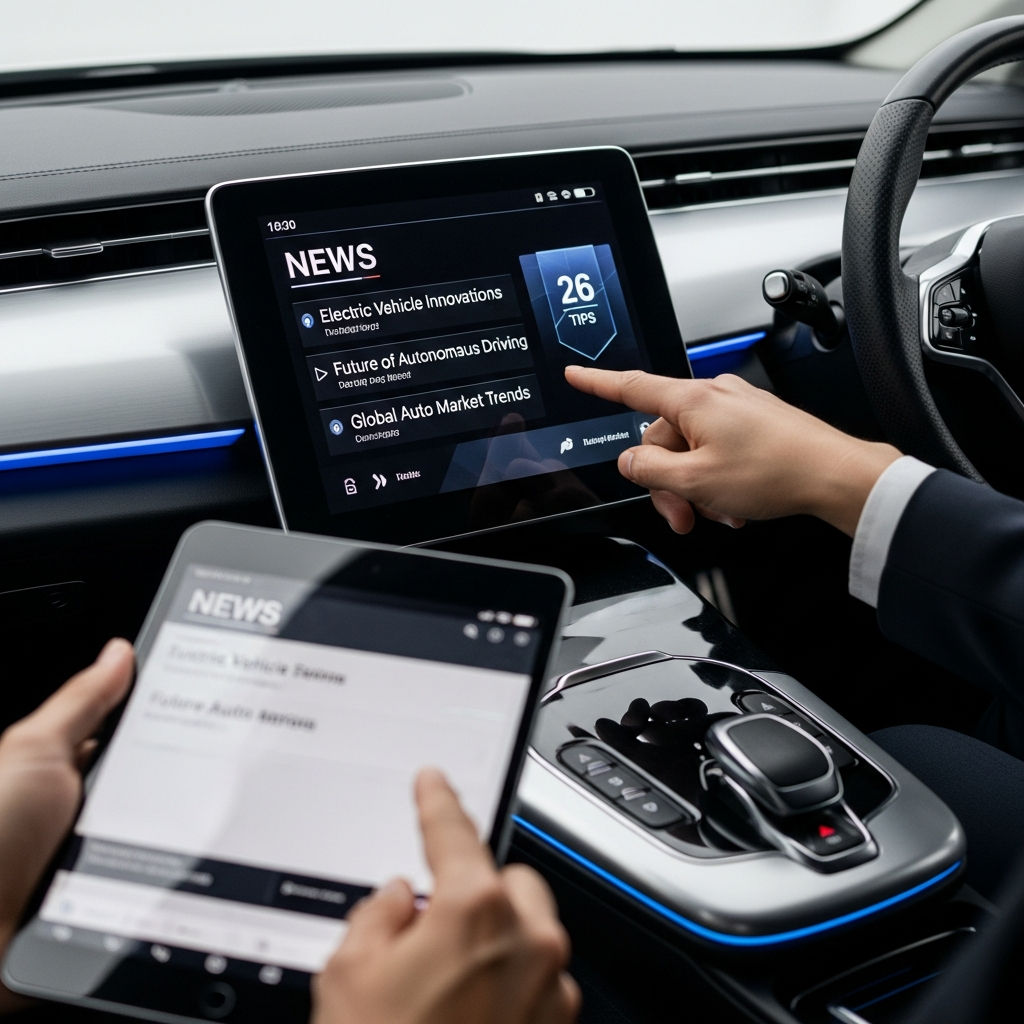
26 Modern Tips to Improve Your Auto News Content
The automotive industry is undergoing its most significant transformation since the invention of the assembly line. With the shift toward electrification, autonomous driving, and software-defined vehicles, the way we consume auto news has changed. To stay relevant in a crowded digital space, automotive journalists, bloggers, and content creators must evolve. Here are 26 modern tips to improve your auto news and capture the attention of today’s car enthusiasts and buyers.
1. Move Beyond the Press Release
In the digital age, everyone has access to the same press kits. To stand out, you must provide a unique angle. Don’t just regurgitate horsepower and torque figures; explain what those numbers mean for the daily commute or the weekend track day. Add context that a manufacturer’s PR department wouldn’t include.
2. Master the Art of Short-Form Video
Platforms like TikTok, Instagram Reels, and YouTube Shorts are the new front lines of auto news. Create 15- to 60-second clips highlighting a single cool feature, an exhaust note, or a quick interior walkthrough. These “snackable” pieces of content often drive more traffic than 2,000-word articles.
3. Focus on EV Infrastructure, Not Just the Cars
Modern car buyers aren’t just worried about the vehicle; they are worried about charging. Improve your coverage by including information on charging speeds, plug types, and the reliability of charging networks. Testing a car’s real-world charging curve is more valuable today than a 0-60 mph sprint.
4. Implement Article Schema for Reviews
To dominate search engine results pages (SERPs), use Review Schema markup. This allows Google to display star ratings, price points, and “Pros and Cons” directly in the search results, significantly increasing your click-through rate (CTR).
5. Prioritize Mobile-First Formatting
Most auto news is consumed on smartphones. Use short paragraphs, frequent subheadings, and bullet points. Ensure your images are optimized for fast loading so mobile users don’t bounce before the page renders.
6. Utilize Drone Cinematography
Static photos are no longer enough. High-quality drone footage provides a professional, “top-tier” feel to your car reviews and news updates. It allows viewers to see the car’s silhouette and movement from perspectives that traditional cameras can’t capture.
7. Cover Software and UI/UX
A modern car is a computer on wheels. Your auto news should dedicate significant space to the infotainment system, over-the-air (OTA) updates, and app integration. Is the screen laggy? Is Apple CarPlay wireless? These are the questions modern buyers ask.
8. Build a Niche Authority
Don’t try to cover every single car release. Whether it’s off-roading, luxury EVs, classic car restoration, or JDM culture, picking a niche allows you to become a trusted authority in a specific community, which is highly rewarded by Google’s E-E-A-T (Experience, Expertise, Authoritativeness, and Trustworthiness) guidelines.
9. Leverage Interactive Tools
Incorporate interactive elements like “Total Cost of Ownership” calculators or “EV vs. Gas” savings tools. Interactive content keeps users on your page longer, signals high engagement to search engines, and provides genuine value to the reader.
10. Use High-Resolution, Original Photography
Stock photos from manufacturers are recognizable and overused. Using your own high-resolution photography builds brand identity and proves you actually had “hands-on” time with the vehicle, which is a major ranking factor for Google’s helpful content updates.
11. Create “Living” Review Articles
Modern vehicles change over time via software updates. Instead of a one-and-done review, update your articles when a car receives a significant OTA update that improves range, adds features, or fixes bugs. This keeps your content fresh and evergreen.
12. Optimize for Voice Search
People often ask voice assistants questions like, “What is the best electric SUV for 2024?” Structure some of your headings as questions to capture this growing segment of search traffic.
13. Deep Dive into Sustainability
The “green” factor is no longer a footnote. Discuss the sustainability of interior materials (like vegan leather or recycled ocean plastics) and the carbon footprint of the manufacturing process. Modern audiences value transparency in environmental impact.
14. Engage with Your Community via Polls
Use social media and on-site polls to ask your audience what they want to see. “Should we review the new Bronco or the Defender?” This not only drives engagement but also ensures you are producing content your audience is actually interested in.
15. Tell the Story of the “Why”
Every car has a story. Why did the engineers choose a specific suspension setup? Why did the designers go with that grille? Interviewing designers and engineers adds a layer of depth that sets your news apart from generic reporting.
16. Incorporate Data Journalism
Use sales data, reliability surveys, and depreciation curves to back up your claims. Visualizing this data through charts and infographics makes complex automotive trends easy for your readers to digest.
17. Focus on Long-Term Reliability Reports
While everyone covers the launch, few cover what the car is like after 20,000 miles. Long-term updates are highly sought after by used car buyers and provide a steady stream of traffic long after the initial hype has died down.
18. Optimize for “Discover” and News Feeds
To get into Google Discover, use high-quality, compelling hero images and timely headlines. Avoid clickbait, but ensure your titles spark curiosity by highlighting a unique find or a controversial opinion.
19. Offer an Email Newsletter
Don’t rely solely on social media algorithms. A weekly “Auto News Wrap-up” newsletter allows you to own your audience and drive consistent traffic to your most important stories.
20. Enhance Your “About” Page
Transparency is key. Show your credentials, your history in the automotive world, and your editorial standards. Readers (and search engines) want to know that the person giving car advice is a qualified expert.
21. Use Comparison Tables
When a new car is announced, immediately compare its specs to its primary rivals in a clean, easy-to-read table. This is the first thing people look for when trying to make a buying decision.
22. Monitor Emerging Tech Trends
Stay ahead of the curve by reporting on solid-state batteries, hydrogen fuel cells, and Level 3 autonomy. Being the first to explain complex new tech positions you as a forward-thinking leader in the space.
23. Provide Real-World “Frunk” and Cargo Tests
Specs on paper (cubic feet) often don’t translate to real life. Show your readers how many suitcases fit in the trunk or if a stroller fits in the “frunk” (front trunk). Practicality tests are highly shareable and helpful.
24. Host a Podcast or Audio Version
Many auto enthusiasts consume content during their commute. Offering an audio version of your top news stories or a weekly deep-dive podcast expands your reach to those who don’t have time to read long articles.
25. Transparency in Testing Conditions
If you’re testing range or fuel economy, be transparent about the weather, your driving style, and the terrain. Modern readers are savvy; they know that “your mileage may vary,” and they appreciate honesty regarding the conditions of your test.
26. Master SEO Keywords for “Comparison” and “Vs”
A huge portion of auto search traffic comes from people comparing two models. Use SEO tools to find high-volume “Car A vs. Car B” keywords and create comprehensive, unbiased comparisons that help users navigate their final purchase decision.
Conclusion
Improving your auto news isn’t just about writing faster; it’s about writing smarter and being more helpful. By embracing new technology, focusing on the user experience (both of the car and your website), and providing deep-dive technical insights, you can build a loyal audience in the fast-paced world of automotive media. Start implementing these 26 tips today to drive your content toward more engagement and higher search rankings.