
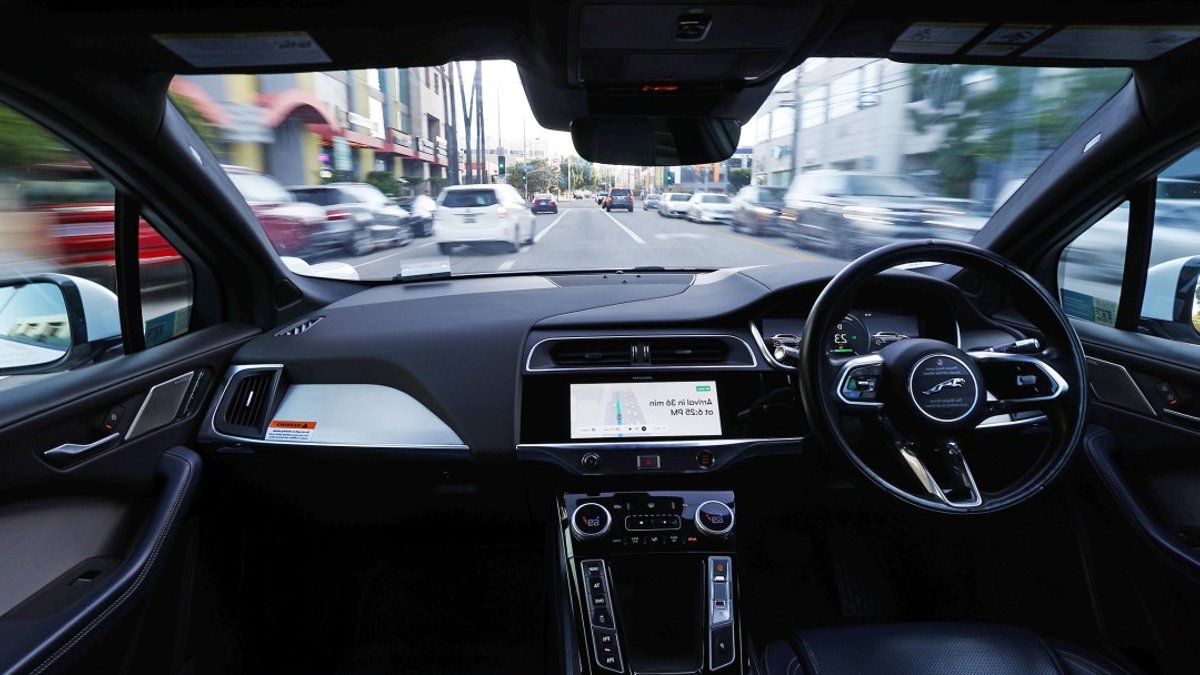
Waymo and other autonomous ride services gather more than just passenger information—they also capture audio and video inside vehicles, sparking debates over privacy and how the technology functions. These systems are built to detect potential threats, but real-world examples demonstrate they sometimes misinterpret harmless actions. For instance, a passenger carrying a water gun triggered a false alarm in one case.
The most widely discussed incident involved two teenagers whose ride was abruptly canceled after Waymo’s cameras identified what looked like a firearm. Police were summoned, and the riders were briefly detained. While few would argue against refusing service to someone with an actual weapon, other cases reveal inconsistencies in the system’s decisions. In another example, a 35-year-old passenger was required to prove his age after the AI mistakenly classified him as a minor.
Read Also: Doubled Diesel Costs Threaten School Activities in Some Areas
Waymo’s vehicles use cameras and microphones to monitor rides in real time. Internal microphones activate when staff need to communicate with passengers or when riders enable them. External microphones are designed to block human speech but stay active to detect emergency vehicles. The company’s terms of service explicitly state that collected data, including audio and video, may be shared with law enforcement or regulators if legally required.
Competing services like Zoox and Tesla follow similar data-collection policies, though their approaches differ in detail. Waymo insists its microphones activate only when necessary, yet broader industry trends highlight growing privacy concerns. As cities expand automated license plate tracking and surveillance networks, the distinction between security measures and privacy violations becomes harder to define.


