
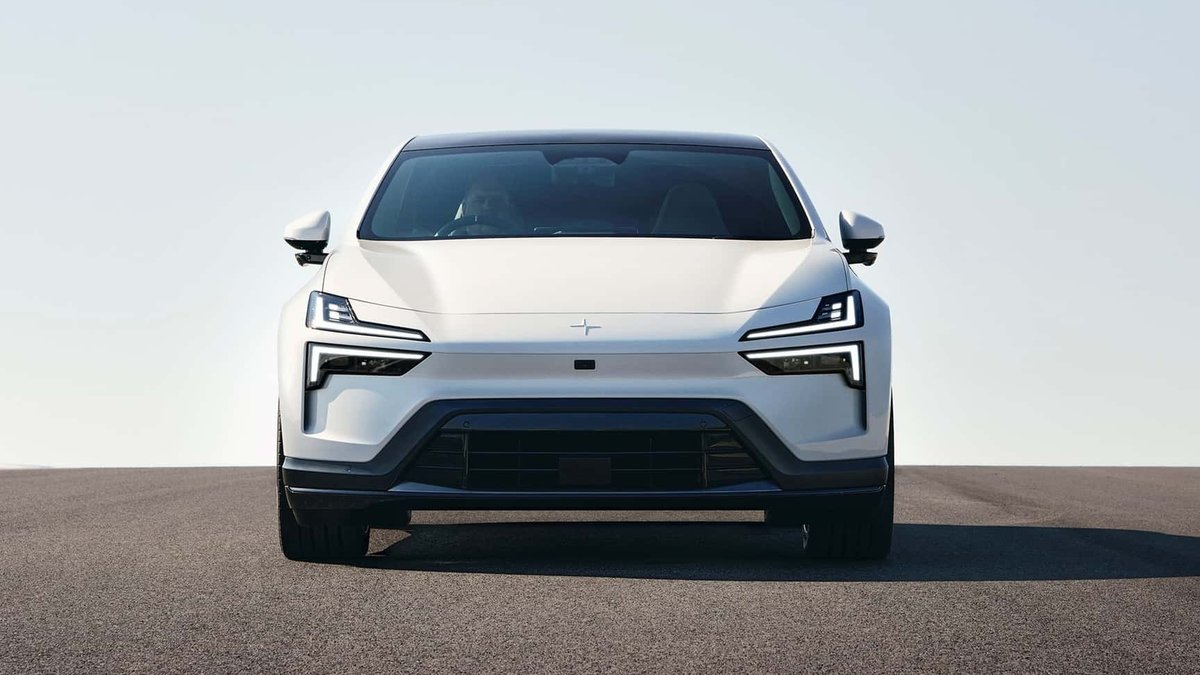
Polestar is still unclear about why the U.S. government banned it from selling cars in the country. The Department of Commerce has not provided an explanation for its decision, which affects Polestar’s sales in the U.S. for model year 2027 onward.
The automaker argues that its corporate cousin, Volvo, was granted authorization to continue selling its cars in the U.S., despite the two companies sharing similar software and hardware.
The Connected Vehicle rule restricts vehicles linked to hardware or software from foreign adversaries such as China and Russia from being sold in the U.S. The rule was finalized by the Biden administration, citing national security risks and potential spying threats.
Polestar’s Polestar 3 electric SUV is mechanically identical to the Volvo EX90, and both are assembled on the same production line at the Volvo Cars plant in Ridgeville, South Carolina.
Peter Wexler, Polestar’s U.S. head of government affairs, stated that the company is focusing on getting the attention of the Commerce Department to obtain the requested information and understand the underlying basis for the denial.
Wexler added that the Volvo EX90 is “a car that is essentially the same as the Polestar 3 and that uses the same software stack.”
A New Jersey Polestar dealer, Prestige Imports, filed a lawsuit against the automaker, claiming that it was planning its U.S. exit for two years and used the government ruling as a cover-up.
Polestar did not appeal the U.S. government’s ban and instead said it would double down on the European market, which accounts for 80% of its global sales.
The automaker is offering a $25,000 discount on the Polestar 4 coupe and Polestar 3 SUV as it prepares to wind down its U.S. operations.
Sweden’s Minister for Foreign Trade, Benjamin Dousa, worked closely with Volvo to ensure it met the Connected Vehicle Rule requirements, but Polestar didn’t ask for the same help.
Polestar’s situation is unusual, and the company’s decision to sell its cars at a discounted price while waiting for the government’s explanation is a peculiar way to end its chapter in the American market.
Related: Rivian releases update that eases police evasion
They are now focusing on the European market.
The decision to ban Polestar from selling cars in the U.S. has significant implications for the company’s future.
It will likely impact their ability to compete with other automakers in the global market.
The company’s decision to offer discounts on its cars is an attempt to clear out inventory before winding down its U.S. operations.
This move is likely a result of the ban and the company’s decision not to appeal it.
Polestar’s corporate cousin, Volvo, was able to meet the requirements of the Connected Vehicle Rule, but Polestar did not receive the same assistance from the Swedish government.
Benjamin Dousa, Sweden’s Minister for Foreign Trade, worked with Volvo to ensure it met the requirements, but Polestar did not ask for help.
The lack of explanation from the U.S. government has left Polestar unsure of how to proceed.
Peter Wexler, Polestar’s U.S. head of government affairs, is working to get the attention of the Commerce Department to understand the basis for the denial.
The company’s situation is complex, and the outcome is still uncertain.
Polestar is preparing to wind down its U.S. operations, but the company’s future is still unclear.


