
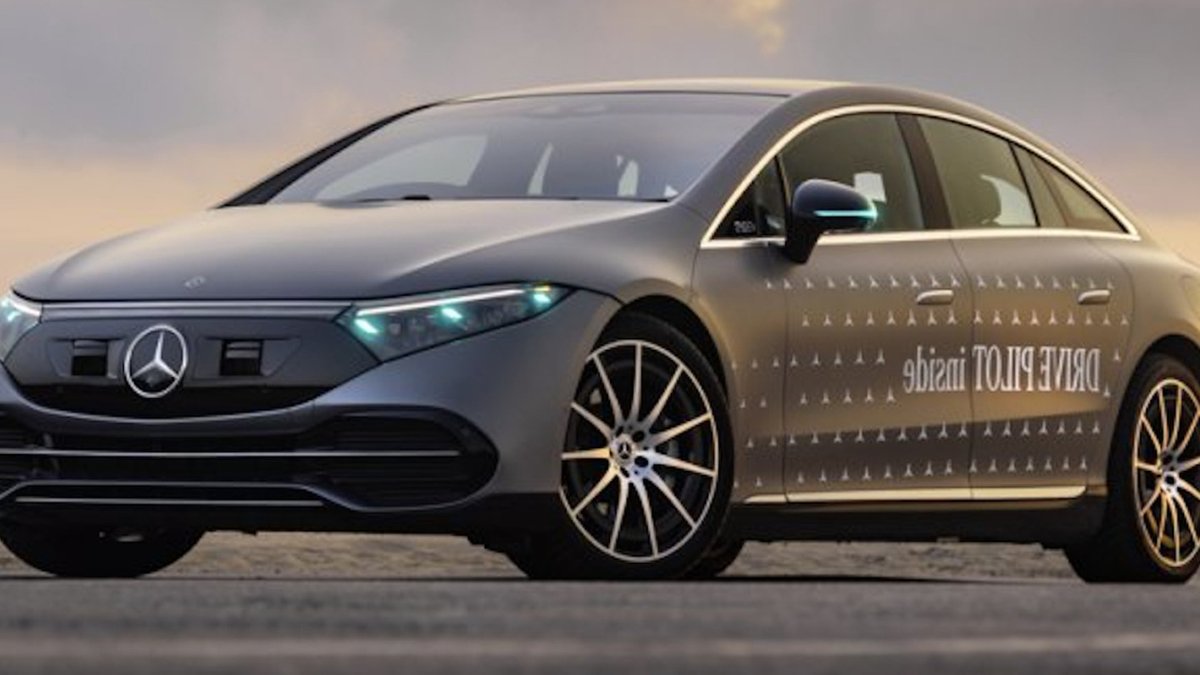
The U.S. National Highway Traffic Safety Administration (NHTSA) has announced proposed changes to Federal Motor Vehicle Safety Standard No. 108, which governs vehicle lighting regulations. The latest changes include establishing equipment specifications for vehicles with automated driving systems, including displaying cyan lights to signal when an automated driving system is operational.
This latest move expands on NHTSA’s earlier October announcement to overhaul headlight standards in the U.S. That previous update focused on reducing glare for other drivers, enhancing performance, updating test methods and materials, and adopting modern lighting standards—such as rules for LED bulbs, twilight sensors, automatic high beams, and interchangeable light sources.
Proposed Changes to Standard No. 108
Under the new proposal, autonomous vehicles lacking traditional driver inputs, like steering wheels or pedals, would no longer need physical switches for turn signals, hazard lights, or headlight adjustments. Currently, Tesla’s Cybercab is the only production vehicle in the U.S. without these manual controls, though it remains under investigation due to its unconventional design.
Mercedes-Benz was granted permission in 2023 to equip its Drive Pilot vehicles, featuring Level 3 autonomy, with turquoise lights to signal when the system is engaged. While the latest NHTSA proposal does not mandate these cyan indicators, it creates a voluntary framework, or what the agency calls an ‘if equipped’ standard, governing their color, placement, and visibility for manufacturers opting to use them.
Regulations for Autonomous Vehicles
NHTSA’s approach aims to streamline innovation in self-driving technology without weakening safety standards. The agency highlights two key regulations as obstacles: the universal requirement for turn signal controls and mandatory headlamp beam switching in all vehicles. These provisions, the proposal argues, are unnecessary for cars without manual driving inputs.
The revised rules would only affect vehicles without traditional driver controls, leaving regulations for steering-wheel-equipped cars unchanged. The proposal also redefines the need for dashboard telltales, the auditory and visual cues alerting drivers to turn signals, hazards, or headlight status, limiting them to vehicles with a seated driver, defined as someone positioned behind the steering mechanism.
According to NHTSA’s definition, a car without a steering wheel cannot have a driver, meaning such vehicles would no longer need these telltales. As autonomous technology advances, more regulatory adjustments are expected, and the agency is seeking public feedback on these proposed updates through the Federal Register.
As autonomous vehicle technology comes closer to reality, it is likely that many other NHTSA regulations will have to change. NHTSA wants input on this crop of changes; there are several ways to do it, outlined in the Federal Register.


