
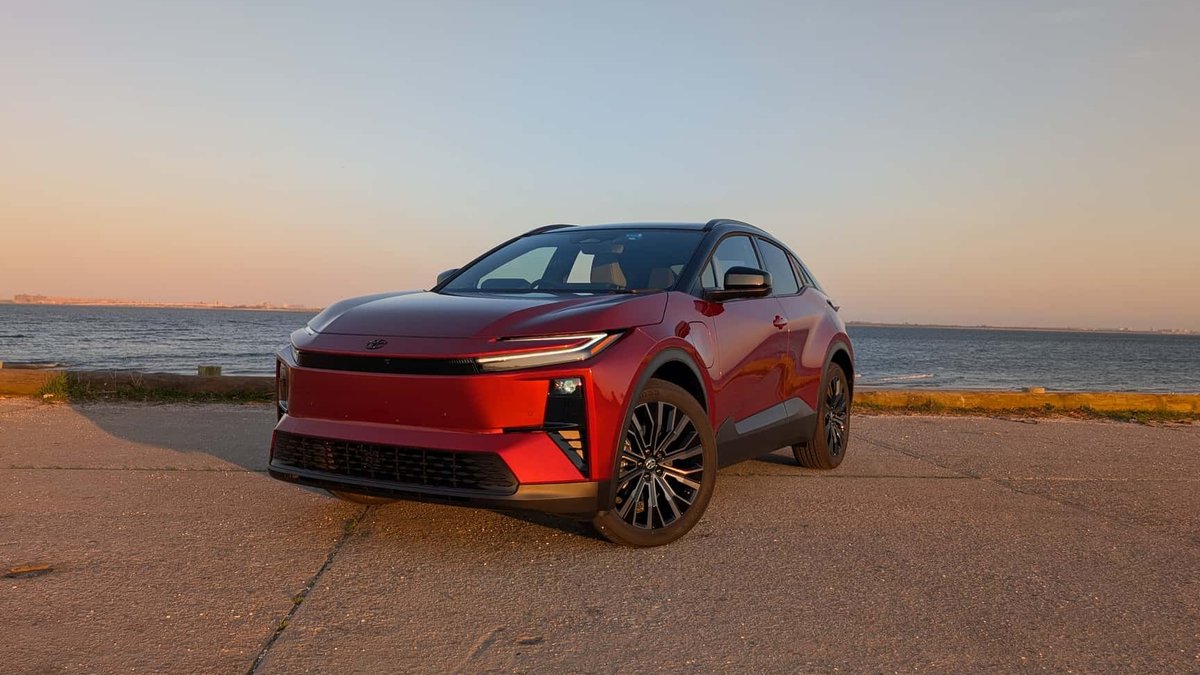
Toyota is recalling 10,000 of its 2026 C-HR electric crossovers in North America due to a safety issue that could cause the vehicle to lose power while driving. The problem stems from a software glitch in the traction battery’s control unit, which may overcharge the battery during regenerative braking when it’s already near full capacity. This issue is particularly concerning because regenerative braking is a core feature of electric vehicles, designed to recover energy and improve efficiency, but in this case, it triggers a system failure. The National Highway Traffic Safety Administration (NHTSA) has yet to release official documents, but Toyota has confirmed the recall’s urgency to prevent potential accidents.
Software glitch triggers sudden power loss
The issue lies in the Battery Electric Vehicle Electronic Control Unit. When the battery is nearly full, it can’t accept more energy, causing the system to shut down to prevent overcharging. This sudden power loss increases the risk of crashes, prompting the recall. The control unit’s inability to manage energy flow under specific conditions highlights a critical oversight in the vehicle’s software design. Toyota’s reliance on a dealership visit for the fix shows the limitations of its current technology, especially compared to competitors offering seamless over-the-air updates.
Toyota states that updating the control unit’s software resolves the problem. However, owners must visit a dealership for the fix, a surprising requirement in 2026 when over-the-air updates are standard in many vehicles. The C-HR, despite being a new model, lacks this capability, relying instead on an older infotainment system. This contrasts sharply with the industry’s shift toward remote diagnostics and updates, leaving C-HR owners inconvenienced and questioning Toyota’s commitment to modern tech integration.
Strong sales despite tech limitations
The C-HR’s tech shortcomings haven’t deterred buyers. Toyota’s U.S. EV sales surged by 136% in the first half of the year, driven largely by the C-HR, updated bZ, and new bZ Woodland models. The C-HR’s 14-inch touchscreen with Apple CarPlay and Android Auto remains its primary tech feature, though it’s slower to boot compared to newer systems. Its popularity suggests that consumers prioritize affordability and reliability over cutting-edge technology, a trend Toyota has capitalized on despite the recall.
Unlike Toyota’s RAV4, which uses the advanced Arene infotainment setup, the C-HR sticks with an older version. This recall highlights a growing contrast in the EV market: while software updates are increasingly handled wirelessly, some vehicles still require in-person fixes, leaving owners inconvenienced and questioning the pace of innovation. The C-HR’s success, despite its limitations, reflects Toyota’s strong brand loyalty and the market’s appetite for accessible electric vehicles, even if they lag in tech sophistication. However, this incident may prompt Toyota to accelerate its adoption of over-the-air updates to remain competitive in a rapidly evolving industry.


