
Interest in Japanese kei cars has surged in the United States, drawing in more than just traditional enthusiasts. The vehicles offer practical utility for owners working through the 25-year import rule and state regulations. NHK World recently sent a correspondent to Pennsylvania to speak with fans at Lancaster Mini Truck. The dealership stocks cab-forward models and a cartoonish Nissan S-Cargo. The report estimates approximately 30,000 of these trucks have been imported to the U.S. over the last five years.
Why Americans Buy Them
Jake Simpson, the dealership owner, acquired his first mini truck five years ago. He described the feeling of driving one as being like a celebrity. People at gas stations would often ask him about the vehicle or ask how they could get their own. This popularity led Simpson to start a business importing about 15 to 20 trucks each month.
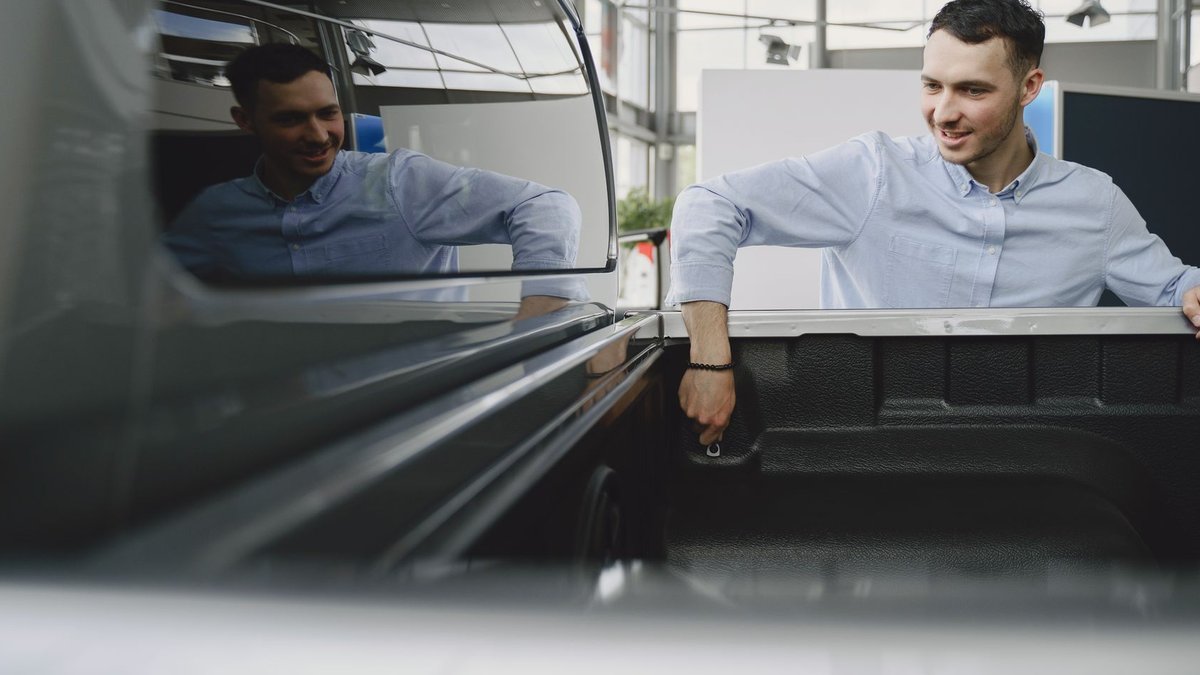
Simpson calls the vehicles a “no-brainer.” Japanese regulations restrict the size, engine displacement, and power output of kei cars in exchange for lower taxes and insurance rates. Despite their size, the trucks can come with four-wheel drive and achieve roughly 40 mpg. Simpson can sell them for a profit between $6,000 and $8,000. He compared the bed length of a kei truck to a late-model Ram 3500 crew cab. The beds are the same length, but the small trucks have fold-down bed sides that allow unloading from waist height, a feature American pickups lack.
Laws and Lobbying
Federal law allows the import of vehicles not originally homologated for the U.S. if they are at least 25 years old. However, state laws create obstacles. New York currently does not allow kei cars or trucks to be registered for public-road use. Joey Iorio co-founded Empire State Kei Advocates to lobby state senators for changes to these laws.
Grassroots efforts have already yielded results. Texas legalized kei cars last year after lobbying from enthusiasts. While registration remains illegal in some states, the growing popularity of the tiny trucks contrasts with an American auto industry that increasingly focuses on larger vehicles.
Advocates like Iorio continue to push for registration rights across other jurisdictions. The ongoing legal battles highlight the tension between state regulations and the rising demand for these imported vehicles. The focus remains on changing specific laws to allow more Americans to drive the trucks legally.


