
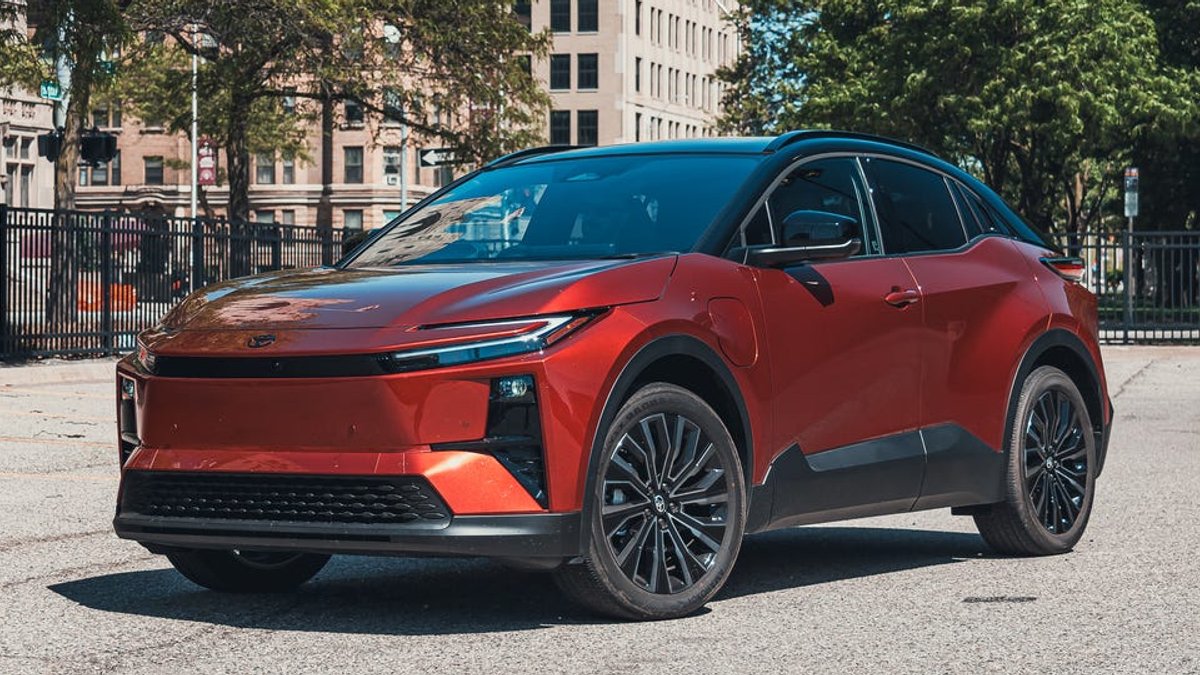
Toyota is recalling 10,000 of its 2026 C-HR electric vehicles across North America due to a software issue that can cause the battery to overcharge. The problem stems from the regenerative braking system, which, under certain conditions, may overcharge the battery when it’s already at a high level of charge.
This can lead to the electric drive system shutting down, resulting in a loss of power. According to Toyota, this poses an increased risk of a crash, particularly at higher speeds.
The recall covers nearly every C-HR on the road in North America. As of the end of August, 6,321 C-HRs had been sold in the United States, with additional sales in Canada, though exact numbers are not available.
Toyota will notify owners of affected vehicles by early November. The fix involves updating the software for the Battery Electric Vehicle Electronic Control Unit at a Toyota dealership.
This recall comes as Toyota expands its electric SUV lineup in the United States, including the refreshed bZ4X, now simplified to bZ, and the new bZ Woodland and C-HR models. The expansion reflects Toyota’s commitment to electrifying its fleet, with a focus on sustainability and innovation. However, the recall shows the challenges automakers face in integrating new technologies while maintaining safety standards.
While the C-HR’s issue is specific to its software, it’s reminiscent of broader challenges in the automotive industry as manufacturers work through the complexities of electric vehicle technology. The recall highlights the importance of rigorous testing and swift action to address potential safety concerns. It also serves as a reminder of the need for continuous monitoring and updates in software-dependent systems, which are increasingly common in modern vehicles.
Official paperwork for the recall has not yet been filed with the National Highway Traffic Safety Administration. However, Toyota’s proactive approach to addressing the issue demonstrates a commitment to customer safety and vehicle reliability. By acting swiftly and transparently, Toyota aims to maintain trust with its customers and ensure the long-term success of its electric vehicle lineup.


