
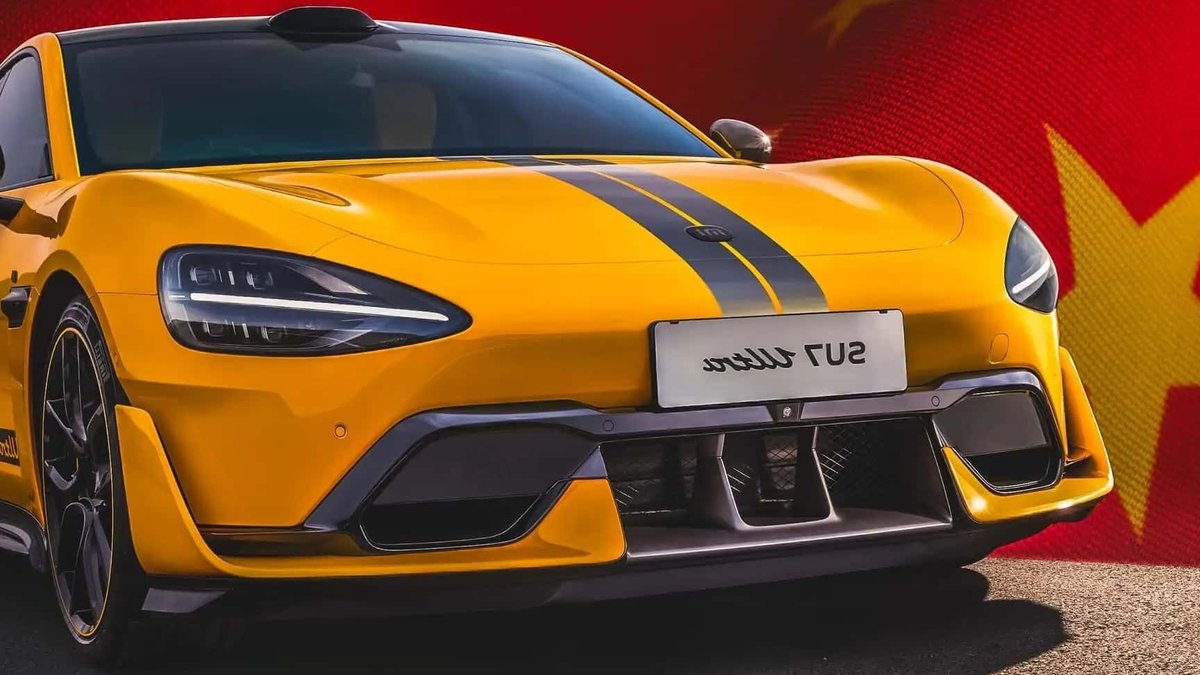
U.S. automakers are pushing Congress to ban Chinese vehicles from the country before the end of the year, despite no Chinese-branded cars currently being sold in the United States. The Alliance for Automotive Innovation sent a letter to lawmakers urging a permanent prohibition on Chinese cars entering the U.S. market. The group, which represents dozens of manufacturers with a U.S. presence including General Motors, Ford, Honda, BMW, Toyota, and Volvo, signed by CEO John Bozzella.
“Right now, Chinese automakers are dumping subsidized vehicles with connected software and hardware around the world,” Bozzella wrote in the letter.
He added that China is capturing market share in Europe, Australia, Southeast Asia, Mexico, and South America with vehicles capable of collecting, processing, and transmitting sensitive vehicle and consumer data to the Chinese Communist Party.
Existing Barriers
Chinese-made vehicles already face significant hurdles to reach American roads. A 100% import tariff hikes prices these vehicles even before they hit U.S. shores, and existing Commerce Department rules restrict Chinese software and hardware in connected vehicles.
These rules have already stopped companies like Polestar from doing business stateside. The lobby group argues that passing legislation barring Chinese vehicles will send a clear and bipartisan message that China’s strategy to dominate global manufacturing will be met with a national security response.
The primary concerns revolve around data security and competition. The group warns that Chinese-made cars could send sensitive information back to Beijing. Additionally, the long-standing subsidies China has provided to its auto industry have allowed local companies to offer cars that are significantly cheaper than Western competitors, helping them gain a global edge.
It is well documented that Chinese cars, mostly electric vehicles, are better than their Western competitors, which does not bode well for the American auto industry. Just as Japanese brands became household names in the 1970s thanks to their better build quality and lower fuel consumption, the same dynamic could occur today with China’s offerings if they were allowed to compete freely.
For the average American consumer, the prospect of legislation blocking affordable, high-quality vehicles creates a difficult choice between protecting domestic industries and accessing potentially superior technology at a lower price point. This tension highlights the broader struggle of U.S. manufacturers trying to compete on price and innovation without the aid of government subsidies that foreign rivals receive.
Domestic Production and Policy
Legislation to ban Chinese vehicles is gaining traction among lawmakers who view the threat as a national security issue. The push comes as the industry attempts to transition to a new era of electric mobility. One major component of this transition involves localizing supply chains to ensure safety and reliability. [1] New Jersey Legalizes Plug-In Balcony Solar Panels
U.S. manufacturers face intense pressure to adapt to a rapidly changing global environment. The Alliance for Automotive Innovation contends that without a permanent ban, the market will remain vulnerable to foreign interference. Bozzella argues that the current approach is insufficient to address the scale of the challenge posed by Beijing’s industrial strategy.
The letter emphasizes that the United States must act decisively to protect its technological sovereignty. By banning Chinese vehicles, the country aims to prevent the proliferation of hardware that could be used for espionage or surveillance.


